

How can we tell if an unresponsive patient is "in there"?
Exploring the mysteries of "covert consciousness"

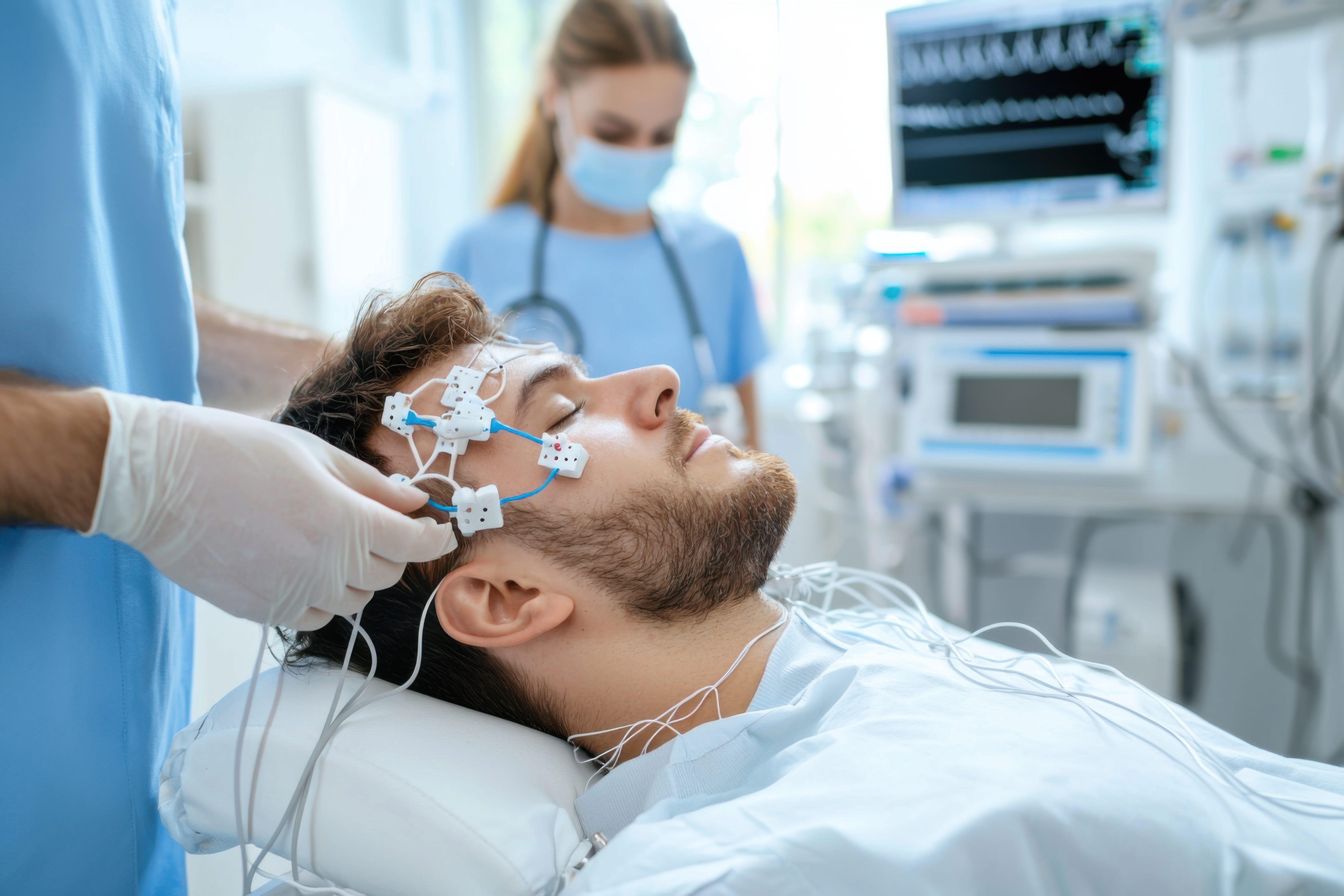
The critical care world was shaken to its psychological foundations by the discovery of cognitive motor dissociation, a phenomenon dubbed “covert consciousness” in which brain testing reveals that a non-trivial proportion of comatose patients can understand and execute cognitive commands such as “imagine yourself playing tennis”.
Many "vegetative" patients are conscious and responsive

Patients who become persistently encephalopathic after the resolution of severe illness (e.g., brain injury due to trauma, ischemic or hemorrhagic stroke) enter a liminal state of existence while those around them decide their fate.
The finding upended the dominant belief that patients who are unresponsive physically (e.g., not withdrawing a hand from intensely painful nailbed pressure applied by a clinician) aren’t really “in there”, lacking any stream of consciousness, awareness, or interaction with their environment.
Cognitive motor dissociation is reportedly associated with greater eventual recovery in brain-injured patients, but its detection is limited to specialized research centers where functional MRI or EEG protocols are used to identify and study the phenomenon.
Covert consciousness has thus far been studied only in small cohorts of patients, mostly with traumatic brain injury, and its epidemiology and implications for prognosis in more generalized ICU populations remain unclear.
The existence of CMD and our inability to identify it together mean that any unresponsive patient might be conscious, but we have no way of finding out. This disturbing realization makes a difficult decision-making process even more wrenching for families and physicians caring for brain-injured patients.
Is there a way to identify which patients may be conscious without complex fMRI research protocols?
A recent study by Carroll et al in Nature Medicine proposed that sleep architecture may become a component of the prediction models being developed.
As usual, there’s both more and less to the story than the paper’s conclusions. Let’s take a look.
Cognitive Motor Dissociation and Sleep
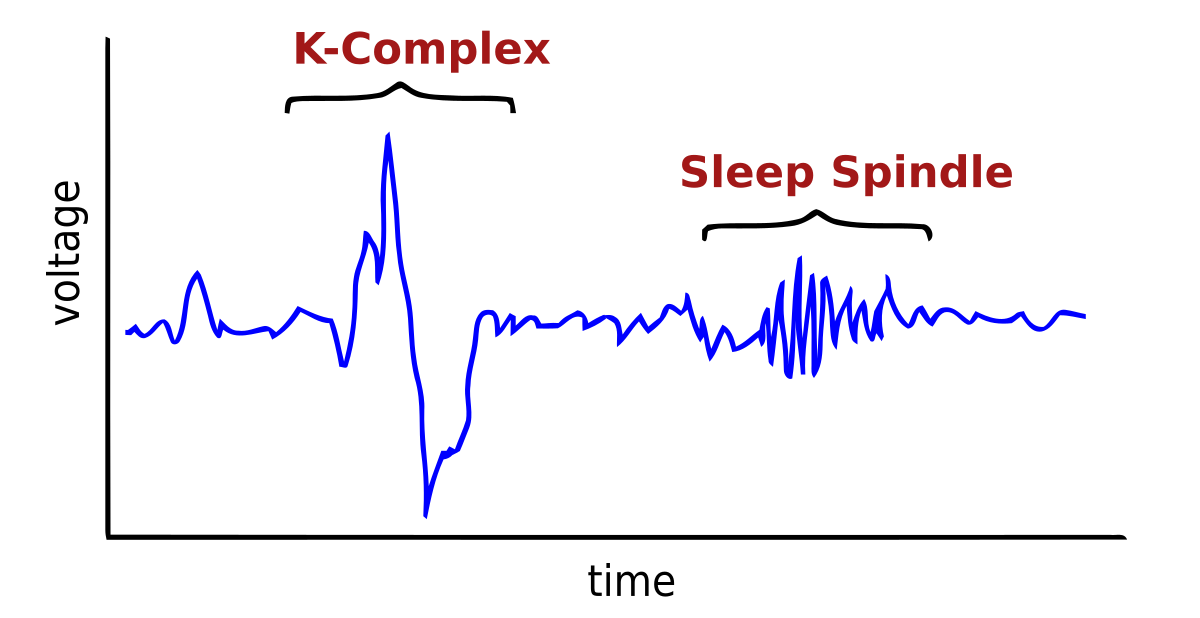
New research suggests that recognizable organized sleep patterns on electroencephalography (EEG) may develop more often and earlier in patients who develop cognitive motor dissociation.
Well-formed sleep spindles are patterns of organized cortical brain activity on EEG.
At Columbia University, researchers prospectively obtained and analyzed EEGs from 226 patients with acute brain injury of various etiologies, from 2014 to 2023:
intracerebral hemorrhage (39%),
cardiac arrest (16%),
subarachnoid hemorrhage (14%),
and traumatic brain injury or subdural hematoma (12%)
Mean age was 63. The initial median GCS score was 6 (severe coma). EEGs were obtained usually within a few days.
Around 15% of patients were found to have cognitive motor dissociation, also usually within the first few days.
The paper reports that “sleep spindles [on EEG] predicted recovery of consciousness and 1-year recovery of independence together with cognitive motor dissociation status after controlling for established predictors.”
This sounded impressive, but the absolute numbers, placed in context in the entire cohort, provide a more practical perspective.
How useful might sleep spindles prove to be in prognosis after brain injury? Beyond that narrow focus, what insights can we take from this paper about cognitive motor dissociation and its association with neurologic outcomes?
Keep reading with a 7-day free trial
Subscribe to PulmCCM to keep reading this post and get 7 days of free access to the full post archives.