

Sodium bicarbonate pushes for cardiac arrest: good faith or bad care?
BIHCA trial rules out a miracle cure, but there's more to consider

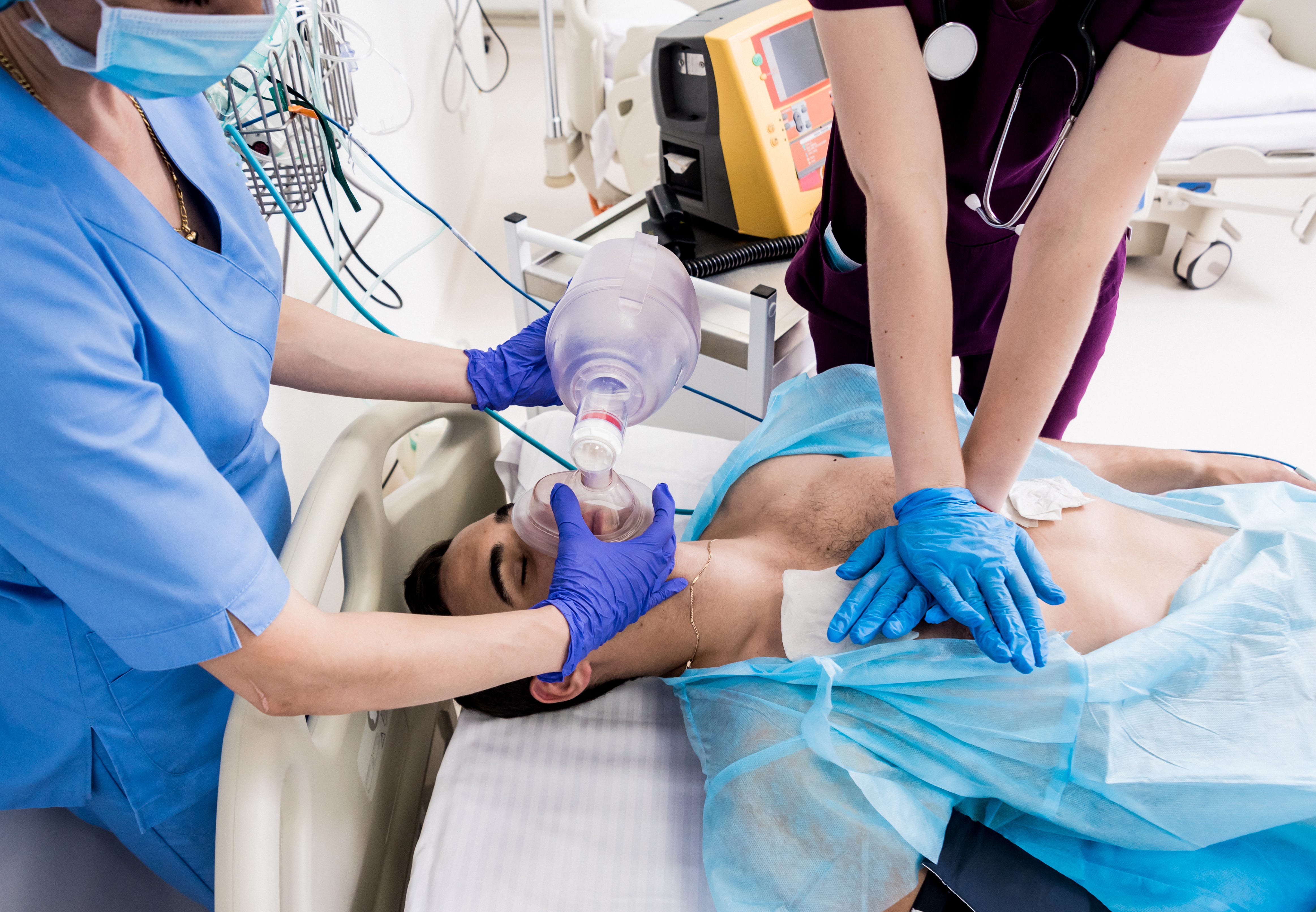
Sodium bicarbonate is routinely administered to patients during in-hospital cardiac arrest. Acidemia is one of the “Hs” on the list of “Hs and Ts” associated with pulseless electrical activity, the most common in-hospital arrest rhythm.
There has been no strong evidence to support this practice, but (the thinking goes), virtually all patients experiencing cardiac arrest are either acidemic or will soon become so; acidemia can worsen cardiac function and blunt the response to catecholamine vasopressors; treating the acidemia with buffer might help and seems exceedingly unlikely to harm; when the alternative is death, an agent with even a small chance of benefit seems worth using; we should therefore give sodium bicarbonate.
Observational evidence can be cited to support bicarbonate use, with a strong association between bicarbonate administration and survival and ROSC in non-shockable rhythms among 23,000 out-of-hospital cardiac arrests (Niederburger et al Resuscitation 2023).
There’s data pointing in the opposite direction, as well: bicarbonate was associated with a 15% reduced chance of survival among 319,000 in-hospital arrests in the AHA’s registry (Holmberg et al, Resuscitation 2023), and with worsened neurologic recovery among 26,000 out-of-hospital arrests in Canada (Kawana et al, Resuscitation 2017).
Leading resuscitation guidelines don’t recommend bicarbonate routinely for cardiac arrests, reserving it as a treatment for hyperkalemia and certain drug overdoses.
Defying AHA’s “not recommended” red box in its guideline updates (next to its discouragements for routine calcium and magnesium), clinicians continue to provide bicarbonate in about half of the in-hospital cardiac arrests in the U.S.
The Bicarbonate for In-Hospital Cardiac Arrest trial was recently published, providing the strongest evidence available on the matter by far. Is it enough to answer the question, though?
The BIHCA Trial
At 21 hospitals in Denmark, 913 adults experiencing in-hospital cardiac arrest who had received at least one dose of epinephrine were randomized to receive either 50 mmol sodium bicarbonate (50 mL pushes of 8.4% NaHCO3) or placebo, as soon as possible after each dose of epinephrine, for a total of two doses.
About 130 patients had ROSC, termination of resuscitation, recognition of a DNR order, or other reasons not to give bicarbonate, and were excluded.
Among the 779 analyzed:
About 86% had non-shockable rhythms (PEA or asystole).
The buffer dose was “effective” in that pH rose, with alkalosis and hypernatremia occurred more often in the sodium bicarbonate arm.
ROSC (the primary outcomes) was achieved by 39% receiving bicarbonate vs. 37% receiving placebo (risk ratio, 1.05 [95% CI, 0.88-1.24]; P = .62);
30-day survival was 12% in the bicarbonate group and 9.1% with placebo (risk ratio, 1.25 [95% CI, 0.84-1.88]);
Good neurologic outcomes occurred in 8.1% (30 patients) receiving bicarbonate vs 5.4% (22 patients) getting placebo (risk ratio, 1.39 [95% CI, 0.82-2.34]).
The authors’ conclusion:
“There was no significant difference in sustained return of spontaneous circulation between sodium bicarbonate and placebo in adults with in-hospital cardiac arrest. These findings do not support routine administration of sodium bicarbonate for patients with in-hospital cardiac arrest.”
Sounds perfectly reasonable, in a research paper.
And then there’s the world of clinical practice.
So You’re Saying There’s a Chance
Keep reading with a 7-day free trial
Subscribe to PulmCCM to keep reading this post and get 7 days of free access to the full post archives.