


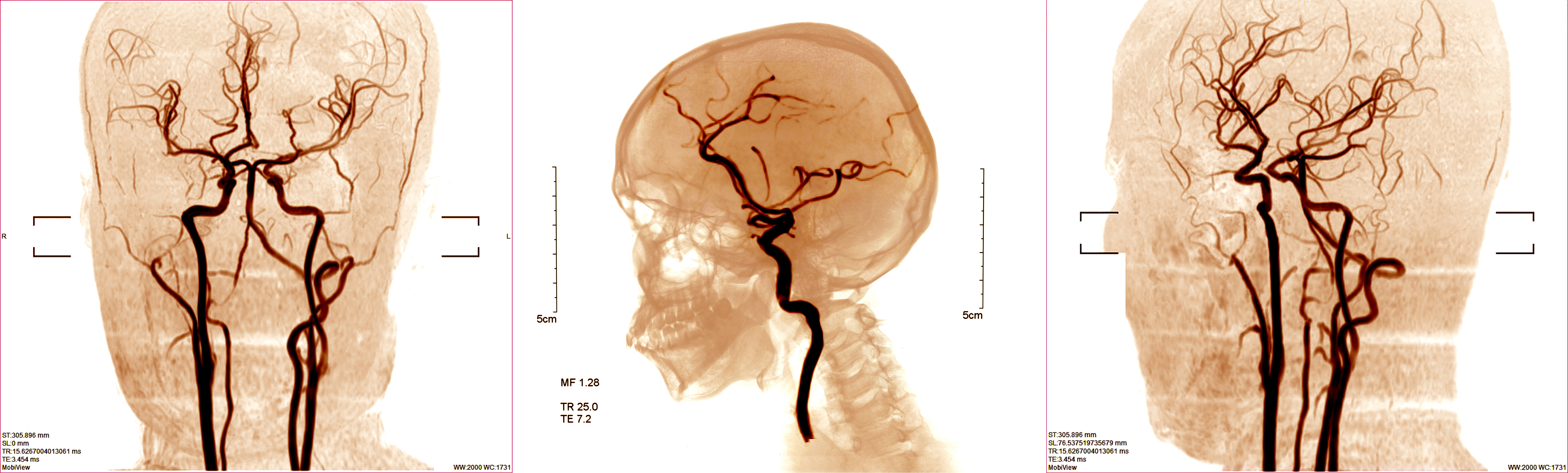
Catheter-directed thrombolytics after thrombectomy for late-presenting ischemic strokes (ANGEL-TNK)*
*in China.
Among 256 adults presenting with ischemic stroke between 4.5 and 24 hours after symptom onset who underwent successful thrombectomy, those randomized to then receive intra-arterial tenecteplase (TNK) infusion had dramatically improved functional outcomes compared to patients receiving usual care (40.5% vs. 26% achieving an excellent functional outcome).
Patients were carefully selected to minimize bleeding risk (e.g., they were not on antiplatelet agents and had not been receiving heparin infusions). A large majority had ischemic strokes of cardioembolic origin (i.e., atrial fibrillation).
The results align with those of the CHOICE trial in Spain (JAMA 2022), suggesting the new strategy may have promise at further improving outcomes after ischemic stroke.
The ALLY II trial is underway at multiple U.S. centers to evaluate adjunctive intra-arterial TNK after successful reperfusion by thrombectomy for ischemic stroke.
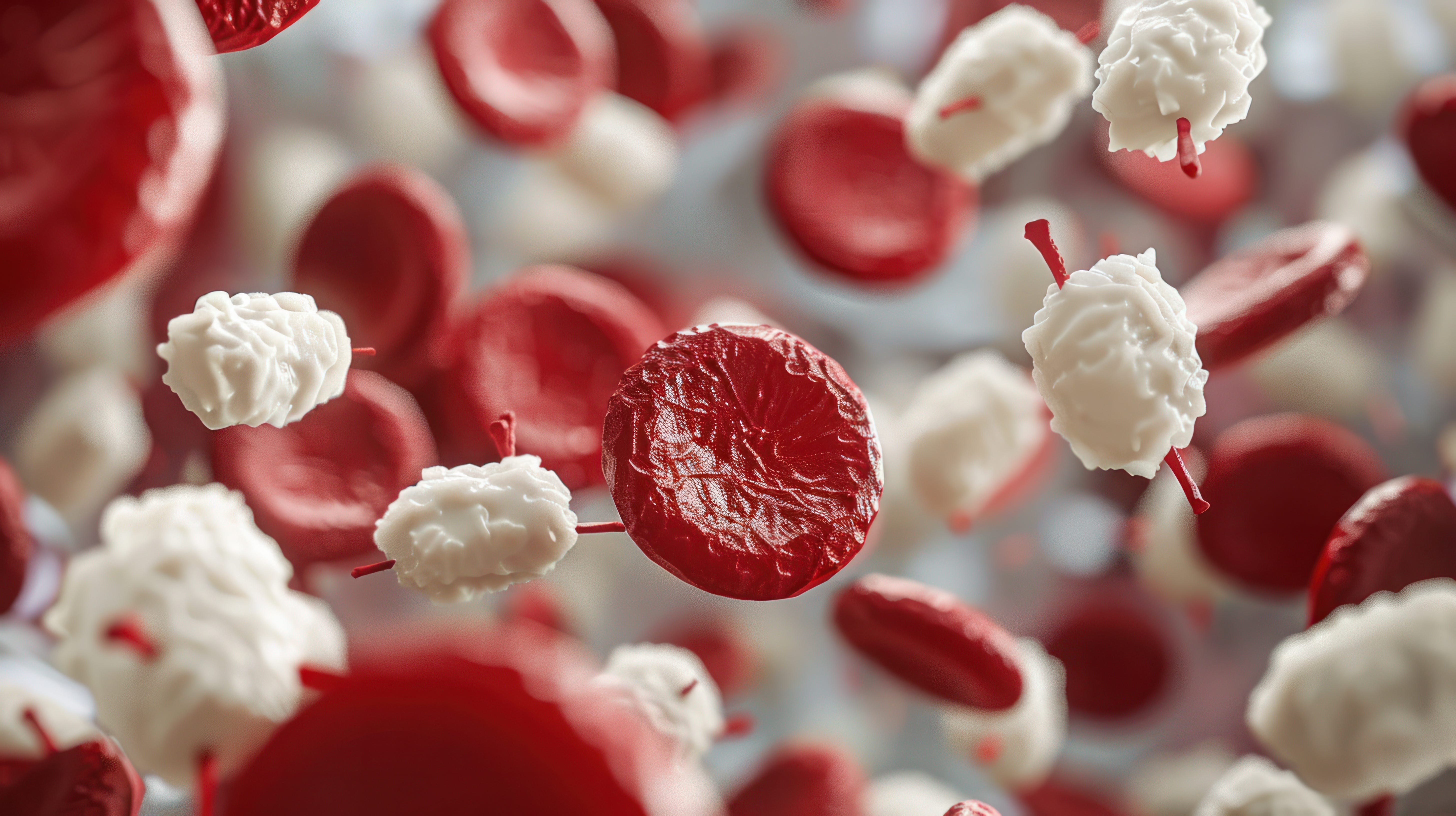
Research breakthrough: HIT is caused by a monoclonal antibody
Heparin-induced thrombocytopenia has historically been believed to be caused by a polyclonal antibody response. New research indicates that a single monoclonal antibody type binds to the heparin-platelet factor 4 complex. In HIT, these complexes then activate platelets, which generate thrombin and form predominantly microvascular clots. Platelets are depleted both by immune-mediated clearance and by consumption, while paradoxically increasing risk for clinically significant thrombosis from the excess of activated platelets.
The new finding opens the door to new biologic treatments for HIT targeted to the monoclonal antibody.
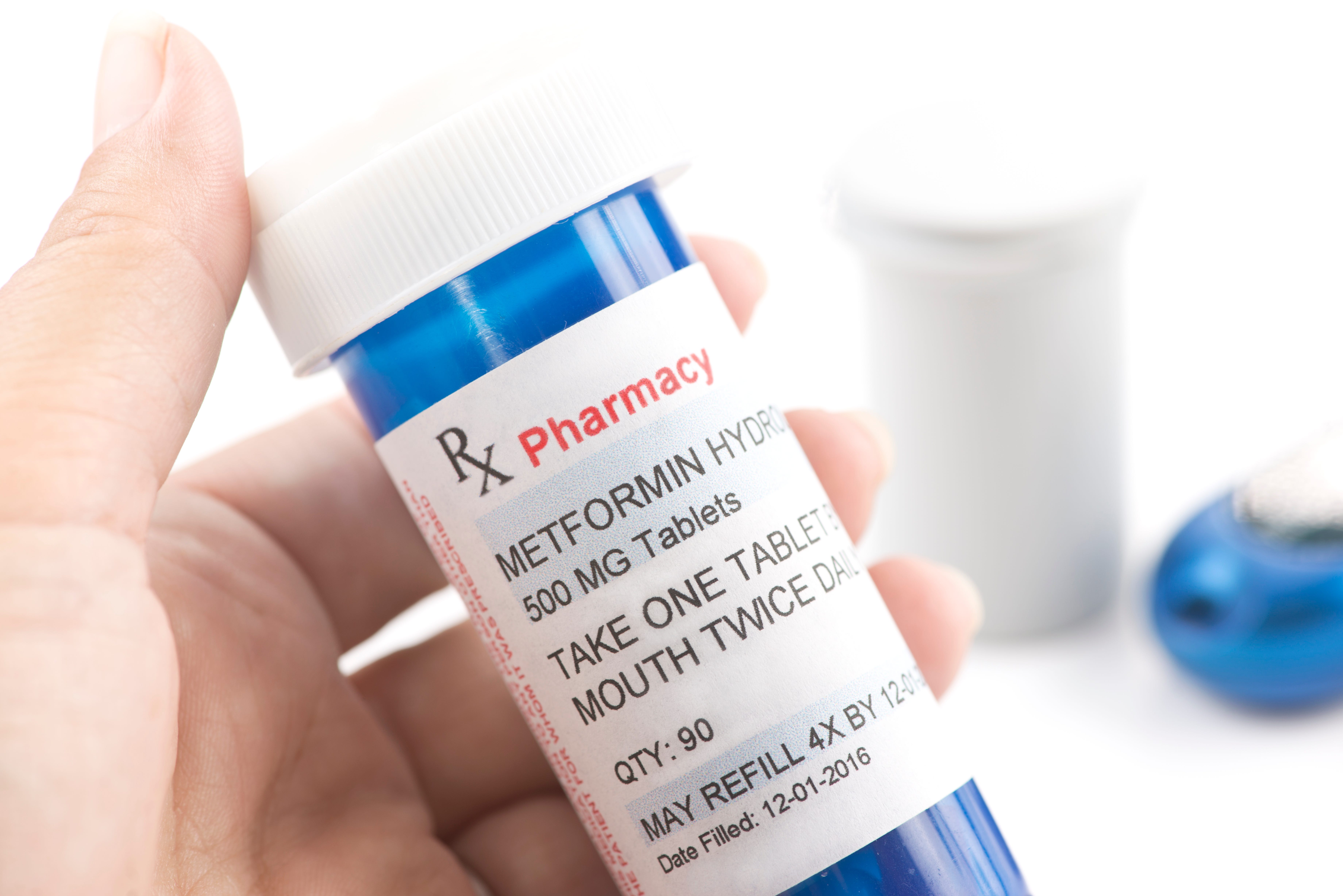
Metformin to prevent long Covid: ACTIV-6 trial
Metformin appeared to reduce symptoms of long Covid in a derivative study of a large randomized trial published in 2023. It was the first treatment to appear to do so, and spawned hope among the “Covid long-haulers” sharing their journeys on Reddit and elsewhere.
In the ACTIV-6 trial, 2,991 subjects with new Covid infections were randomized to receive either metformin titrated up to 1500 mg daily or placebo for 14 days.
In short-term follow-up, metformin did not hasten the resolution of Covid symptoms. Those taking metformin had a median time-to-resolution of nine days compared to 10 days for those taking placebo (not statistically significant).
Time-to-resolution of acute Covid symptoms is a different outcome from the incidence of long Covid symptoms, though.
The ACTIV-6 trial also tested long Covid as a secondary outcome; those results will be reported later after six months of follow-up for all patients is complete.
Man wearing heavy metallic necklace dies after being sucked into MRI machine
A man wearing a 20-pound metal chain necklace for strength training was permitted to enter a room with an operational MRI machine at Nassau Open MRI in Westbury on New York's Long Island. He was hurled into and pinned against the machine and died the next day in an ICU, according to news reports. The family told reporters that an MRI technician led the victim into the MRI suite, where his wife had just undergone a scan of her knee. Other reports stated he entered without permission. No reports described attempts to stop him.
All MRI facilities are required to have extensive safety procedures to prevent metallic objects from entering the machines’ powerful magnetic field. Projectile, burn, and other injuries are believed to occur more often than official reports reveal, because facilities may not report them all. In the U.S., accidental deaths from MRI events have become exceedingly rare since the strengthening of safety procedures in 2001, when a 6-year-old boy was killed by an oxygen tank that became a projectile when brought into the MRI suite.
—Rahimpour B, “Not Another Name, Not Another MRI Accident”, Smith Chason College
Kids need vitamins, but not vitamin C for sepsis (Vitacips trial)
The still-unspooling story of vitamin C as a proposed therapy for sepsis shows how one prominent researcher publishing one dodgy study can spawn a thriving ecosystem of attempted refutations. In the latest, 262 children diagnosed with septic shock were randomized to receive either intravenous vitamin C at 25 mg/kg every six hours for 72 hours or placebo (dextrose solution). After 72 hours, there were no differences in the rates of organ failure, resolution of shock, 28-day mortality, or any other outcome. The trial was underpowered to find small differences between groups, however.
Iloprost for septic shock (I-MICRO and COMBAT-SHINE trials)
Iloprost is a prostacyclin analogue that is FDA-approved for pulmonary arterial hypertension. Its vasodilatory actions have also been used to treat scleroderma, Raynaud phenomenon, and frostbite. In rat models of septic shock, iloprost improved microvascular blood flow, and was tested in human subjects in two randomized trials.
At multiple centers, 240 patients were randomized to receive either a 48-hour infusion of ilorprost or placebo. After 28 days, 42% of the iloprost group and 39% of the placebo group had died. Organ failure scores were also nominally higher in the iloprost group, and there was no improvement in any other secondary outcome. Patients receiving iloprost had double the rate of severe adverse events (15% versus 7%).
The I-MICRO trial bookended the COMBAT-SHINE study (2024), which likewise showed no improvement in organ failure among patients diagnosed with septic shock who received iloprost, compared to placebo (n=278).

Everyone jumped to hate VITAMINS. I feel it is not fare. Did he use hyperbole to bring attention to the matter? Yes he did. Do vitamins at the proposed doses cause harm? No, they don't. Are they imprtantant for endogenous production of cathecholomins and immune system ( two most important systems which get desregulated in septic shock). They are.
He, in fact, almost single handedly dismantled sepsis one compain. Educated the whole generation of doctors about the role of thiamine and vitamin c in critical illness. Educated about the role of glycocalix. Educated about mitochondrial health.
But everyone, from a first year resident to blog attendings ( except Josh Farkas) hated on vitamins...
Here is two from the same edition :
DOI: 10.1097/CCM.0000000000005263
DOI: 10.1097/CCM.0000000000005262
Yes, no mortality improvement. But if I can get anything out of vit c, I will take it. As I write daily progress notes, I do celebrate weaning from pressors. It appears that vit c can accelerate it. So maybe we can be more inquisitive and make mental adjustments to what effects are we are asking from simple vitamins?
Thank you for your reply and for what you do. I grew up as doctor on your teachings and posts from Farkas, Spiegel and Kenny.
Thank you for continuous engagement and life learning.
And thank you for taking my point as a tribute to a great master who was there before us. And maybe who can see a little bit further than us.
"The truth will always win".