

The Latest in Critical Care: September 29, 2025
Continuous vs bolus vasopressors in surgery; Hypothermia for ischemic stroke; stem cells for ARDS; intensive BP control for ICH; more


Continuous vasopressors better than boluses for hypotension during surgery
Anesthesiologists frequently bolus vasopressors like norepinephrine and phenylephrine to treat hypotension during surgical cases, but these agents have a short half-life, which can produce wide variations in intraoperative blood pressure. Among 500 patients undergoing high-risk abdominal surgery, those randomized to receive norepinephrine infusions experienced more stable blood pressure than those receiving bolus injections of norepinephrine.
—Trocheris-Fumery et al, “Early use of norepinephrine in high-risk patients undergoing major abdominal surgery: a randomized controlled trial.” Anesthesiology 2025
In a smaller randomized trial, 72 patients undergoing high-risk noncardiac surgery experienced similar stabilizations of blood pressure when continuous vasopressors were infused, compared to those given as-needed vasopressor boluses by the anesthesiologist.

Impella’s survival benefits for STEMI-related cardiogenic shock persist at 10 years
The microaxial flow pump (Impella CP) is a temporary mechanical left ventricular assist device that was shown to save lives in selected patients with cardiogenic shock due to ST-elevation myocardial infarction, in the DanGer-Shock trial. This benefit came despite Impellas more often causing bleeding, renal failure, and limb ischemia. In a letter to the NEJM editors, the authors report that 10 years after the initial events, Impella recipients continued to enjoy a higher survival than control patients receiving usual care. At 10 years, 52.5% receiving Impellas had died, compared to 68.8% receiving usual care. Impella recipients lived an average of 1.6 years longer than usual care patients.
Møller et al, Long-Term Outcomes of the DanGer Shock Trial | New England Journal of Medicine
Hypothermia for ischemic stroke?
“Therapeutic hypothermia” turned out not to be therapeutic for post-cardiac arrest, but is now being tested in ischemic stroke patients (in Asia).
A pilot study was published in Stroke testing hypothermia to 35 degrees for 48 hours (no benefit, but too small to conclude). Two small randomized trials are underway in China: the RE-HIBER trial of regional hypothermia, testing intra-arterial infusion of cold saline after thrombectomy, and the PICNIC trial, testing feasibility of intrajugular cooling after thrombectomy for ischemic stroke.
Ventilator dyssynchrony leads to longer ICU stays
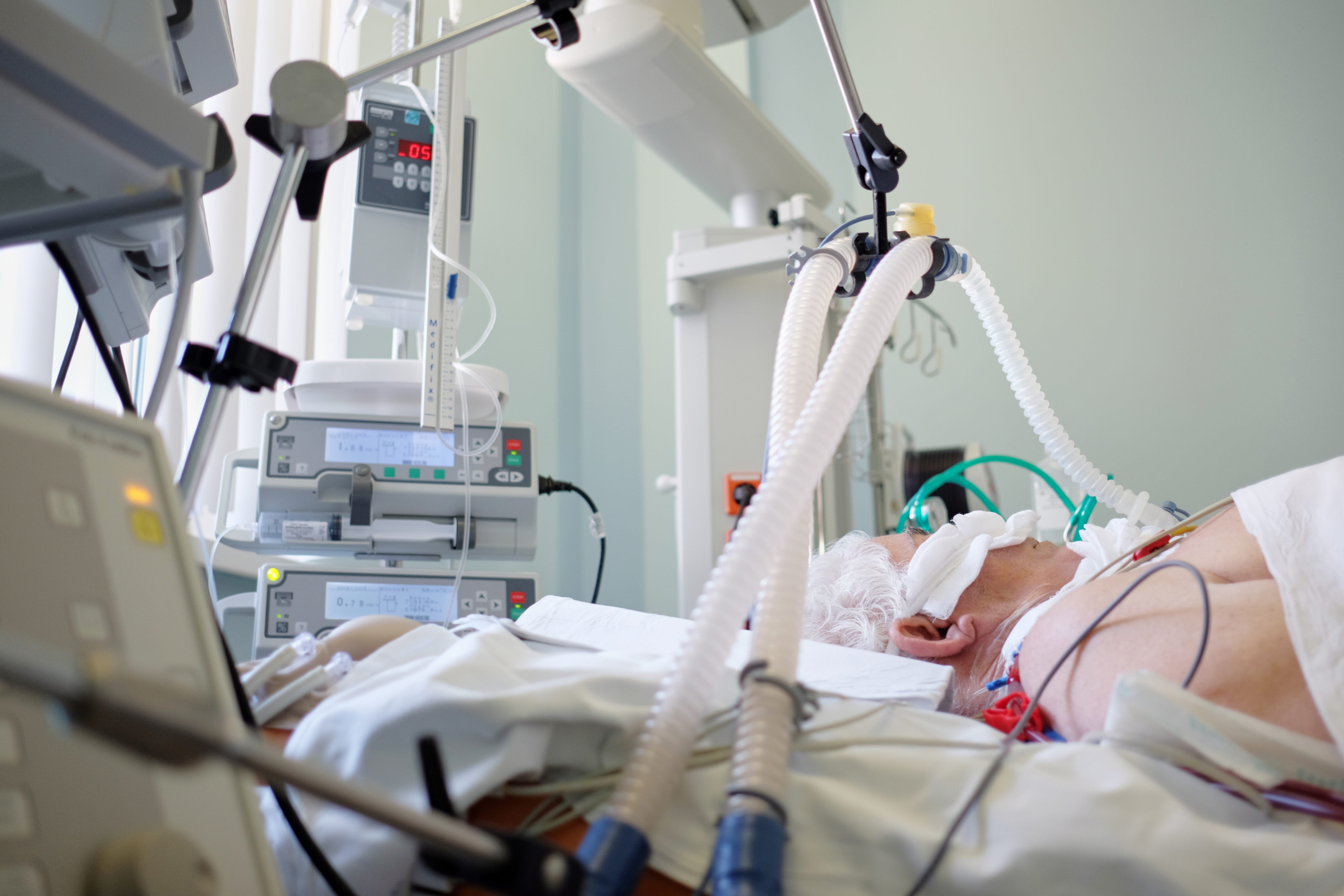
A meta-analysis of 19 trials (n=2,672) confirmed the clinical intuition that patients with ventilator dyssynchrony tend to stay on the ventilator and in the ICU longer. Ineffective triggering (gasping without a ventilator breath being delivered) and double triggering (triggering one breath, inspiring through it and into a second) were particularly associated with longer stays. Dyssynchrony was not associated with increased mortality.
—de Bie et al. The Association Between Patient-Ventilator Asynchrony and Clinical Outcomes in Mechanically Ventilated Patients: A Systematic Review.
Intensive BP-lowering looks good for intracerebral hemorrhage
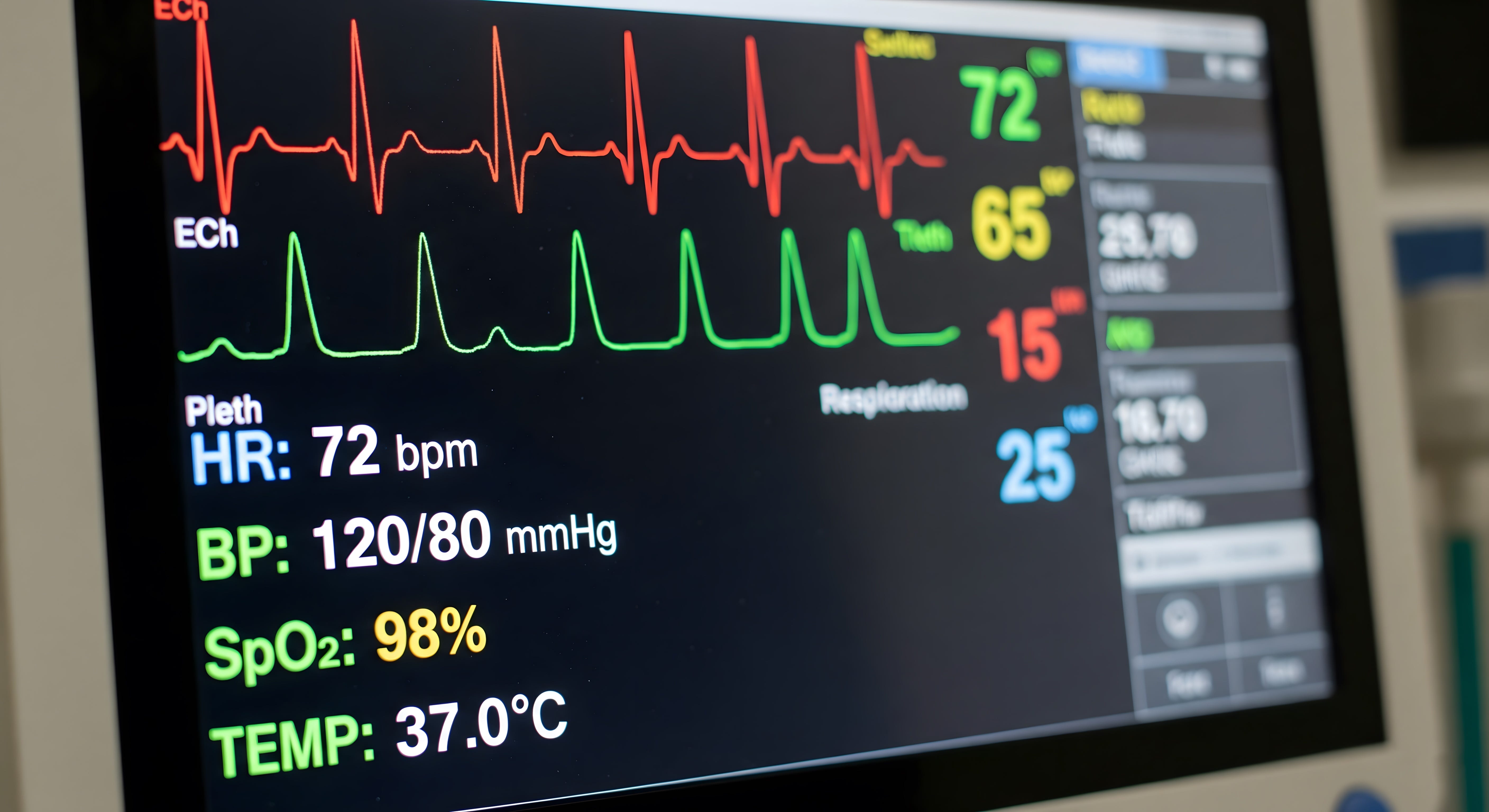
Studies have conflicted as to whether intensive blood pressure lowering (<140 mm Hg SBP) is genuinely beneficial for patients with intracerebral hemorrhage. A large meta-analysis of 11 randomized trials (n=13,625) concluded that it is: patients treated with aggressive blood pressure control had improved neurologic outcomes, reduced hematoma enlargement, and lower mortality (RR 0.86, 95% CI 0.79-.0.94, p<0.01).
Stem cells fail in ARDS trial
Stem cells have been considered as a potential therapy for acute respiratory distress syndrome (ARDS) for more than a decade. Among 120 ventilated patients with ARDS, infusing bone marrow-derived mesenchymal stromal cells did not improve oxygenation compared to placebo. There were no significant differences in mortality between groups. Biological markers were identified in patients who “responded” (i.e., improved after receiving stem cells), which could form the inclusion criteria for a future, more narrowly-focused trial. Most patients’ ARDS was from Covid-19.
Physiology Flashback!
ICU Physiology in 1000 Words: Visualizing Heart-Lung Interaction

Jon-Emile S. Kenny MD [@heart_lung]
