

Thrombectomy for Medium-Vessel Ischemic Strokes (Review)
Debate over opening MeVOs remains wide open

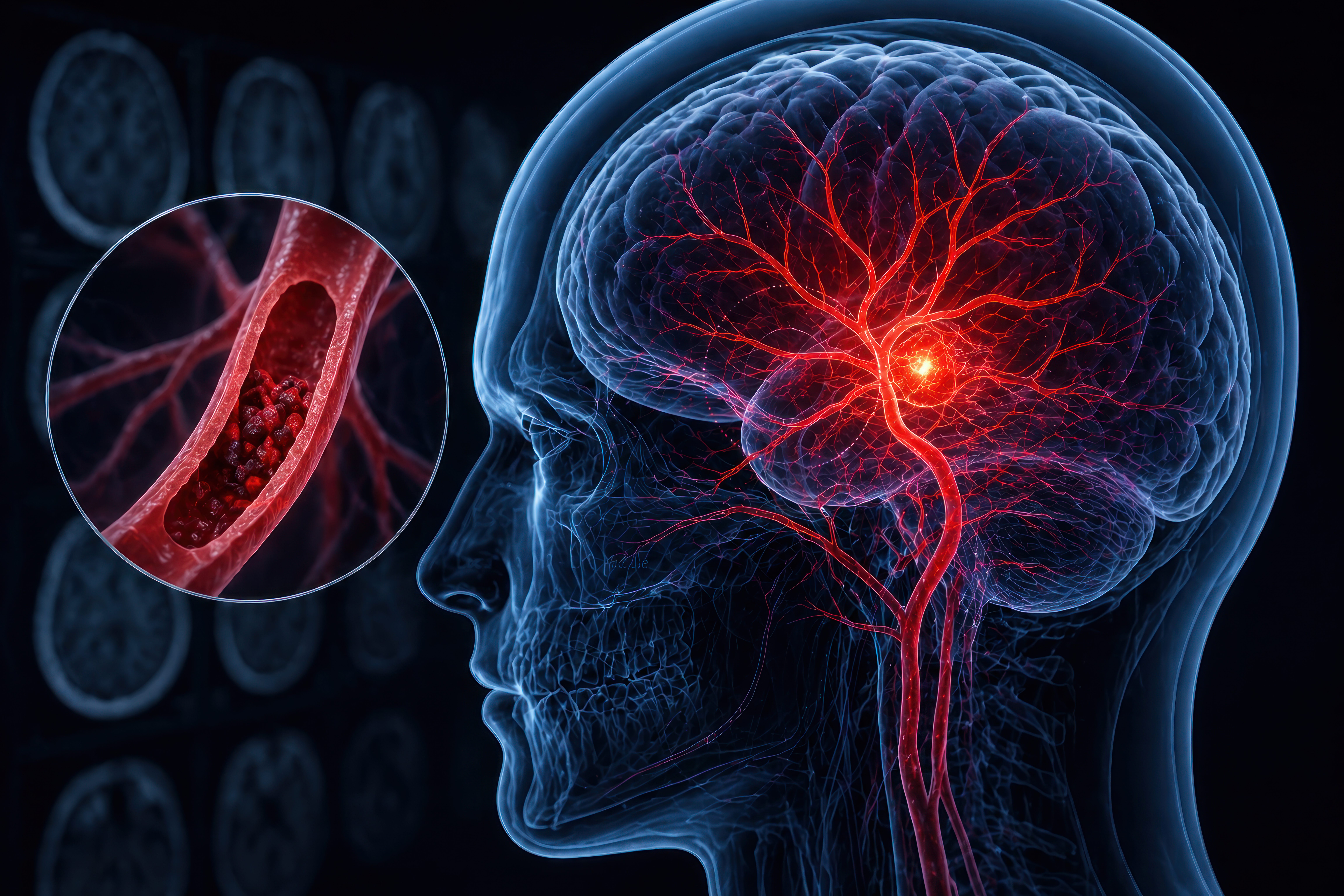
Mechanical thrombectomy (aka endovascular thrombectomy or EVT) within 24 hours can improve outcomes after ischemic occlusion of a large cerebral vessel in the anterior circulation. Thrombectomy has become standard care for ischemic strokes with LVO, with ongoing refinement over the optimal time, methods for patient selection, and which large posterior-circulation occlusions also benefit.


Through rapid triage and transport networks, endovascular thrombectomy has been effectively deployed across swaths of developed countries over a relatively short period (since 2015).
Investigators then shifted focus to thrombectomy for medium-sized cerebral vessels (so-called medium-vessel occlusions or MeVO).
MeVOs involve the M2 and M3 segments of the middle cerebral artery, the A2 and distal segments of the anterior cerebral artery, and the P2 and distal segments of the posterior cerebral artery. These account for a large proportion of ischemic strokes (>25%).
Three high-quality randomized trials tested EVT against medical therapy in patients with medium-vessel or distal occlusion strokes:
ESCAPE-MeVO (Canada, n=530); no improvement in functional outcome and significantly higher mortality (13.3% vs. 8.4%, adjusted HR 1.82) and more symptomatic intracranial hemorrhages (5.4% vs. 2.2%). (Goyal et al., NEJM 2025)
DISTAL (Europe, n=543), no reduction in disability or mortality with EVT. Also showed numerically higher mortality (15.5% vs. 14.0%) and double the rate of symptomatic intracranial hemorrhage (5.9% vs. 2.6%). (Psychogios et al., NEJM 2025)
DISCOUNT, a smaller French trial of 161 patients, was halted early for futility and safety in ~2025, with worse functional outcomes and higher rates of intracranial hemorrhage in the thrombectomy arm.
These three trials enrolled patients with mildly disabling strokes (e.g., median NIHSS of 6), so one interpretation was that the patients did not have large enough occlusions to benefit from mechanical intervention (and to overcome its potential harms).
A trial conducted in China then reported strikingly positive benefits from EVT for medium-vessel ischemic occlusions.
In ORIENTAL-MeVO, 563 patients at 48 centers across China were randomized to EVT plus medical therapy or medical therapy alone.
Enrollment was limited to patients with moderate to severe neurologic deficits at presentation (NIHSS ≥6).
Patients receiving thrombectomy had good neurologic outcomes (mRS 0-2) much more often (~59% vs ~47%) than those receiving medical therapy alone. An absolute 15% more patients had excellent outcomes. Number needed to treat was 8.
Symptomatic intracranial hemorrhage was doubled (4.7% vs 2.2%), however.
It’s possible that the improvements with thrombectomy were due to the larger strokes and salvageable ischemic brain in this trial population.
MeVO Thrombectomy in the USA: The DUSK Trial
Due to major differences between populations, the delivery of health care and possible other unmeasurable factors, randomized trial data from China should usually not be extrapolated directly to Western systems of care.

Guidelines do not advise (nor do they explicitly advise against) endovascular thrombectomy for ischemic stroke due to occlusions in medium-sized vessels.
The DUSK trial is currently enrolling patients in the United States, centered at the U. of Pittsburgh, testing thrombectomy specifically in a Western MeVO population among an intended n=584 patients.
More severe strokes will likely be included (NIHSS ≥6), but patients with NIHSS <6 are allowed in if they have aphasia, neglect, or other less-disabling deficits, if considered significant by the treating team.
If chance brings enough patients with genuinely disabling strokes to the participating centers, DUSK could provide a much clearer answer in either supporting the previous three negative trials, or by demonstrating a clear benefit from mechanical thrombectomy for ischemic stroke due to MeVO.
Given the moderately strong signal of harm among patients undergoing MeVO for less disabling strokes, the former seems more likely.
Results from DUSK may arrive sometime in 2028.