

The Real-World Boards: Question #11
A 55-year-old man is post-cardiac arrest and getting warm

These are the Real-World Boards. As in the real world, there is often no “right” answer, and you are only competing against yourself. Upgrade to the Lifelong Learner level for full access to all the questions and unlimited CME credits with an included Learner+ account.
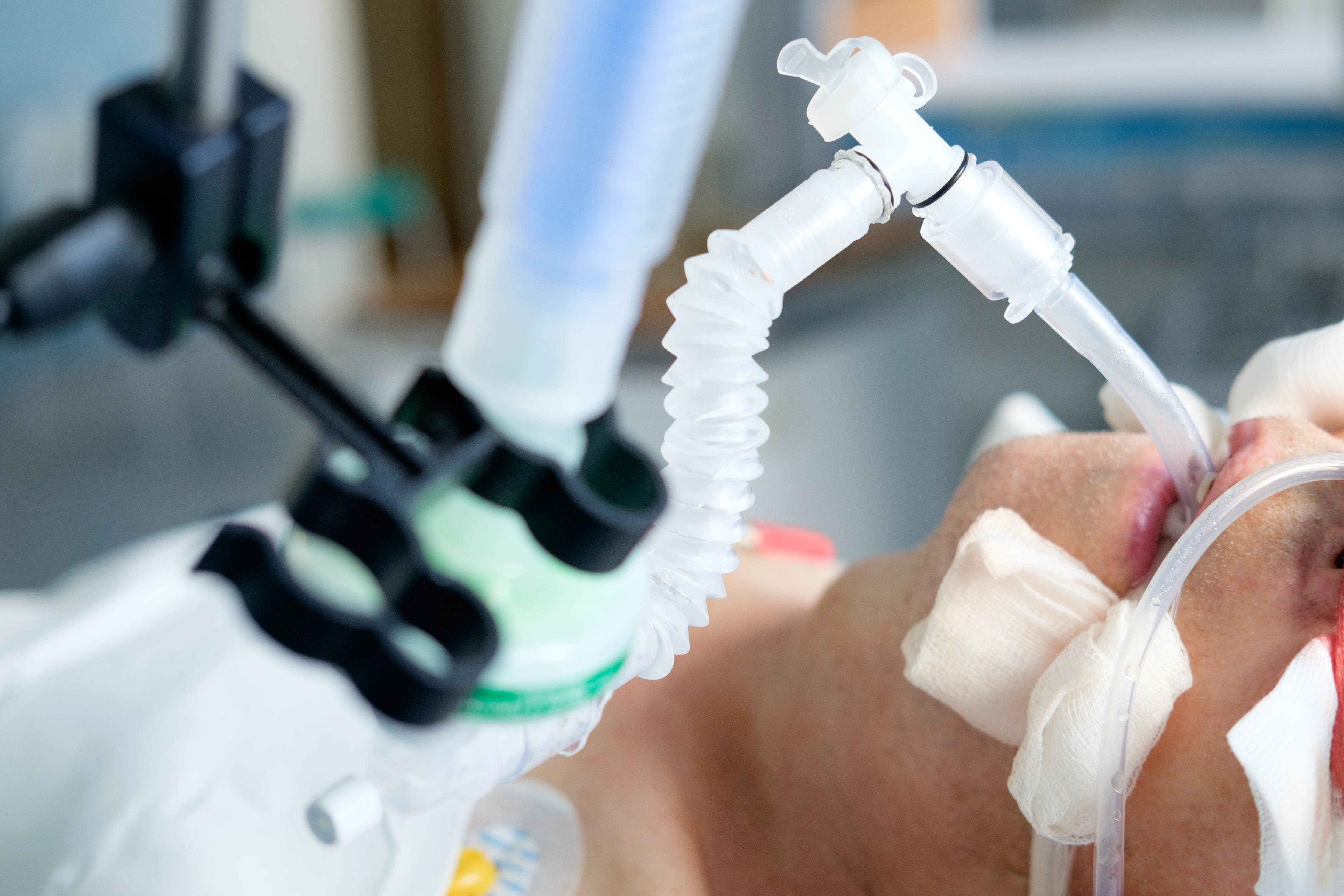
A 55-year-old man is brought to your ICU from the ED, where he presented after out-of-hospital cardiac arrest. He collapsed in a store, and bystander CPR was provided prior to EMS arrival, who identified his rhythm as PEA. His estimated time before ROSC was 14 minutes.
He is hemodynamically stable and oxygenating well. On exam, he is unresponsive on no sedation, intubated, with no withdrawal from nailbed pressure in any extremity. His pupils are both 5 mm and nonreactive to light. Heart and lung exam are unremarkable. A CT scan shows no acute process or cerebral edema. His ECG shows no evidence of occlusive MI.
His core body temperature is 37.8 degrees. The charge nurse approaches. She maintains eye contact with you as she announces, “This patient is not being cooled.”

Therapeutic hypothermia, later rebranded as “targeted temperature management,” became a standard post-cardiac arrest therapy for comatose patients after two 2002 NEJM trials (n=273 and n=77) suggested reducing core temperature to 32°C to 34°C markedly improved neurologic outcomes and survival. Although those studies only included out-of-hospital cardiac arrests with ventricular fibrillation, induced hypothermia was rapidly and widely adopted and applied to most cardiac arrest patients, regardless of initial rhythm or location of arrest. This was in large part due to the recommendations from a task force of the International Liaison Committee on Resuscitation (ILCOR), and their enshrinement in the American Heart Association’s 2005, 2010, and 2015 post-cardiac arrest management guidelines.