The Real-World Boards: Question #27
Is this intra-abdominal infection cured?

These are the Real-World Boards. As in the real world, there may be no single “right” answer, and you are only competing against yourself. Upgrade to the Lifelong Learner level for full access to all the questions and unlimited CME credits with an included Learner+ account.
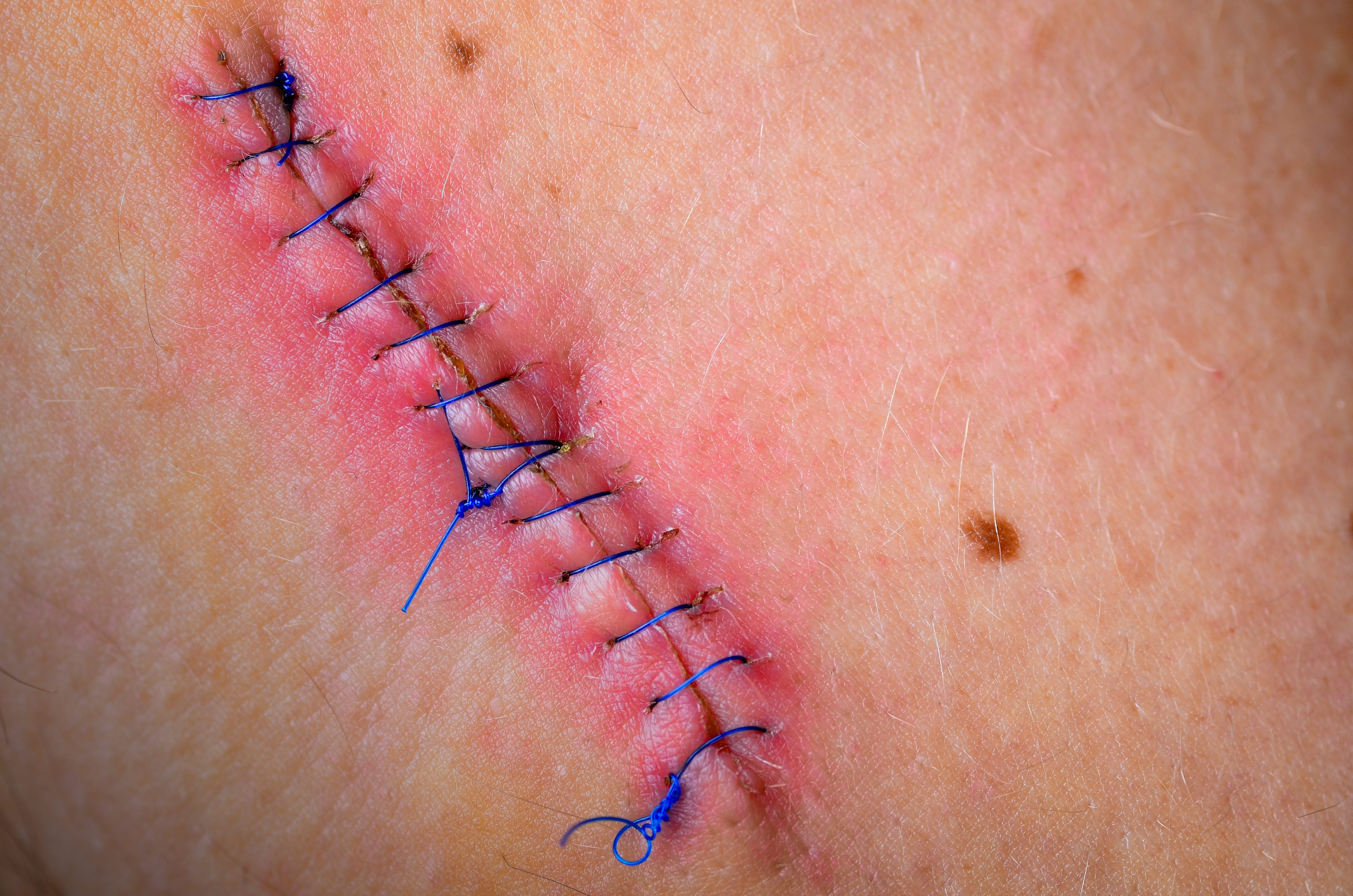
A 66-year-old man was admitted to the hospital ward one month ago with a small bowel obstruction. He was managed conservatively, but his bowel function failed to durably recover.
Eight days ago, he developed peritonitis, respiratory failure, and vasopressor-dependent shock and was transferred to the ICU. An exploratory laparotomy was performed with resection of a phlegmon associated with a perforated section of jejunum, along with extensive washout. He was left in discontinuity for 48 hours, followed by repeat washout and primary anastomosis, which was completed four days ago.
He improved. He no longer requires vasopressors, and the white blood cell count fell from 30K to 20K.
Procalcitonin was 80 ng/mL, and has fallen to 49 ng/mL (~40% decline). Temperature has been 100.3°F (37.9°C), and his last temperature ≥38.3°C by bladder probe was more than 24 hours ago. The JP drains continue to drain serosanguinous fluid, and there is no obvious peritonitis on exam. He is weak, volume overloaded, and encephalopathic, and continues to require mechanical ventilation. His nonoliguric acute kidney injury (Cr 1.5 baseline —> 3.2 mg/dL) has stabilized without requiring renal replacement therapy.
Fluid cultures grew Proteus, sensitive to ceftriaxone. Blood cultures were negative. MRSA nares PCR is negative.
He received piperacillin/tazobactam and vancomycin for two days starting with his deterioration, and has been receiving 2 grams of ceftriaxone daily for the past four days.
Infectious diseases recommends discontinuing ceftriaxone now, citing the STOP-IT trial and other literature supporting short-course antibiotic therapy in this context. The surgeon defers to you and ID.