

The Latest in Critical Care: August 27, 2025
The glycocalyx, quantified; Methotrexate for pulmonary sarcoidosis; Balanced solutions' harms in traumatic brain injury

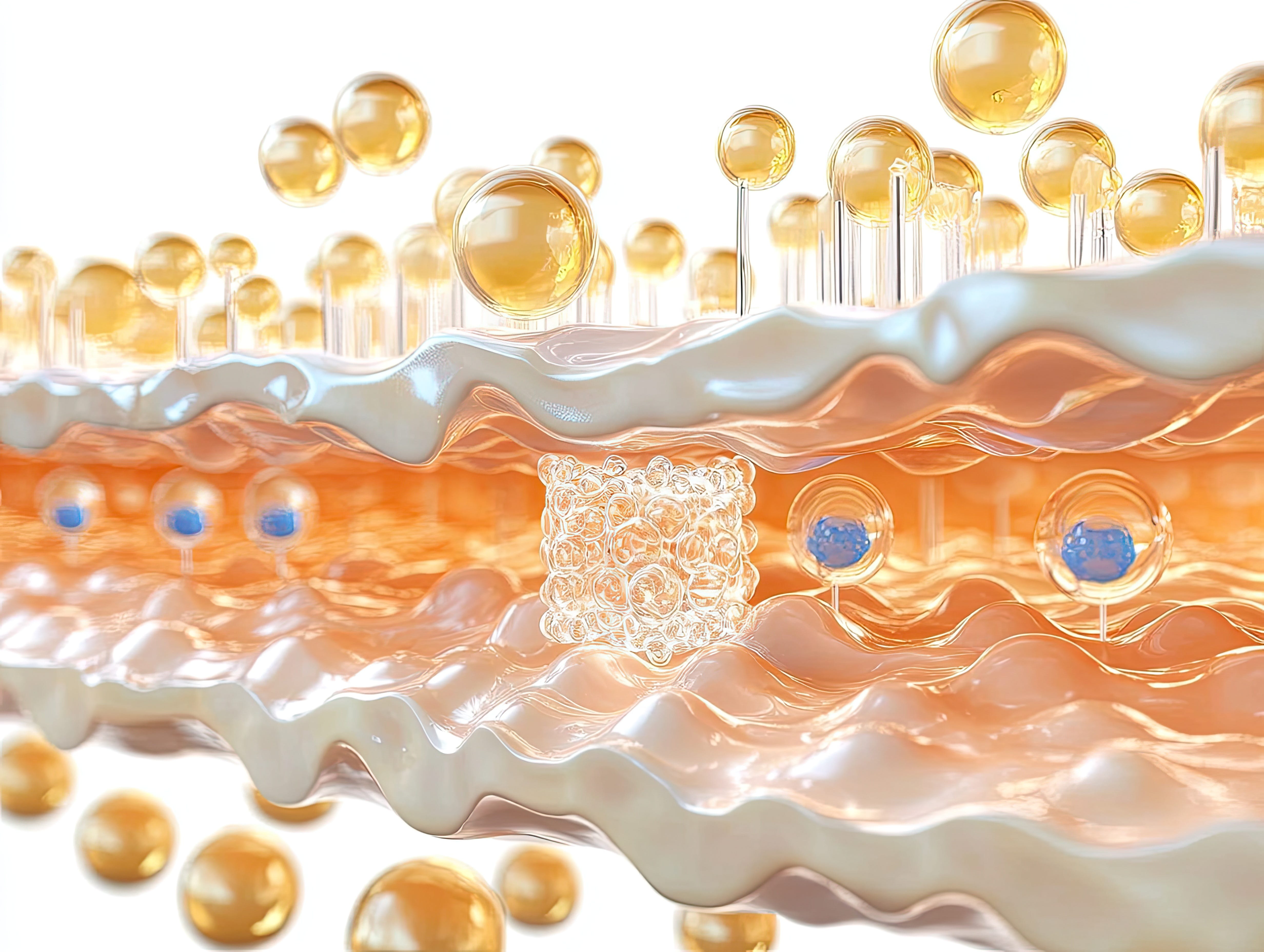
Glycocalyx degradation linked to mortality in sepsis
The glycocalyx is a gel-like layer of carbohydrates and proteins that coats the endothelium of blood vessels. Its degradation during sepsis contributes to third-spacing and perpetuation of hyperinflammatory processes. Glycocalyx breakdown can’t be measured directly, but in an analysis of 574 patients from the CLOVERS fluid trial (you can read up on that here)—
—authors found a strong association between plasma levels of baseline heparan sulfate (a proteoglycan component of the glycocalyx) and mortality. The lowest levels had 10% mortality, vs. 44% for the highest levels of heparan sulfate, which was a better predictor of mortality than age, diabetes, or baseline renal failure.
Plasma syndecan-1 (another proteoglycan in the glycocalyx) also performed well as a measure of endothelial glycocalyx degradation and predictor of mortality.
It has been hypothesized that aggressive fluid resuscitation further degrades the glycocalyx, providing a physiologic rationale for a restrictive fluid approach; however, in this analysis, lower heparan sulfate levels (as a surrogate for glycocalyceal damage) were not more prevalent in the usual care (“aggressive” fluids) arm.
Neither plasma heparan sulfate nor syndecan-1 is available for use outside research settings at most U.S. hospitals.
—Oshima et al, Annals of the American Thoracic Society, 2025.
Methotrexate could be a first-line therapy for sarcoidosis
Sarcoidosis is treated with high-dose prednisone for months, causing sometimes debilitating and life-altering side effects. Methotrexate has always been considered an alternative agent, but it has a slower onset of action and its own set of side effects.
Among 138 patients with a new diagnosis of pulmonary sarcoidosis, those randomized to methotrexate had nearly identical improvements in lung function over the first 6 months of treatment, compared to those taking prednisone. They gained much less weight, but had more abnormal liver function tests. About 13% of patients in each arm had to stop treatment due to adverse effects.
Balanced solutions may harm traumatic brain injured patients
Balanced solutions cause fewer electrolyte abnormalities (e.g., hyperchloremic metabolic acidosis) but are more hypotonic relative to normal saline. This has been hypothesized to worsen brain edema and overall outcomes in patients with traumatic brain injury.
In a meta-analysis of 15 randomized trials (n=35,207) enrolling critically ill patients with and without traumatic brain injury, patients with TBI treated with balanced solutions had increased mortality (odds ratio 1.31, CI 1.03-1.65), while those without TBI treated with balanced solutions had lower mortality (odds ratio 0.93, CI 0.87-.98), relative to treatment with normal saline.
—Diz et al, Anesthesia & Analgesia, 2025
Good morning :-)
I think you made a small mistake in the second paragraph in the Balance Fluid section which changes the meaning in an incoherent way.
Keep up the good work !
Best regards.
Jean St-Louis, MDCM